Morning Musing: Exodus 9:10-12

“So they took furnace soot and stood before Pharaoh. Moses threw it toward heaven, and it became festering boils on people and animals. The magicians could not stand before Moses because of the boils, for the boils were on the magicians as well as on all the Egyptians. But the Lord hardened Pharaoh’s heart and he did not listen to them, as the Lord had told Moses.” (CSB – Read the chapter)

One of the most challenging aspects of a healthy, orthodox, biblical theology is getting the balance right between God’s sovereignty and human responsibility. The uncomfortable tension the Scriptures consistently hold is that both positions are entirely correct. Making sense out of that, though, isn’t always easy, especially when we encounter passages like this one. Here we are at another plague that is again worse than the last one. But this time, God is implicated by the language for the ongoing tragedy of the plagues. Let’s talk about what’s happening here.

Read the rest…

Digging in Deeper: Exodus 9:1-4

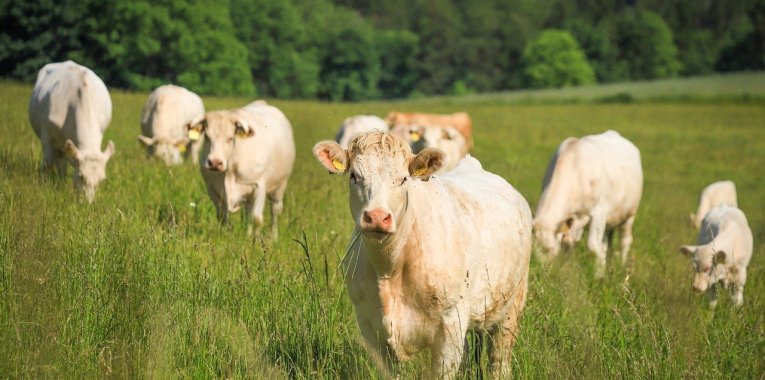
“Then the Lord said to Moses, ‘Go in to Pharaoh and say to him: This is what the Lord, the God of the Hebrews, says: Let my people go, so that they may worship me. But if you refuse to let them go and keep holding them, then the Lord’s hand will bring a severe plague against your livestock in the field – the horses, donkeys, camels, herds, and flocks. But the Lord will make a distinction between the livestock of Israel and the livestock of Egypt, so that nothing of all that the Israelites own will die.'” (CSB – Read the chapter)

I’ve recently gotten to see one of Jesus’ parables played out right in front of me. In the parable of the wheat and the tares, a man plants a field but then an enemy comes at night and sows a bunch of weeds in the field. The man’s response to his servants’ inquiry about whether he wants them to try to pull the weeds is to tell them to let them all grow up together, and he’ll sort them out at the harvest time. He doesn’t want to risk damaging any of the wheat. A field of wheat near my house was growing with lots of big patches of weeds. The farmer just left them there until the harvest. The idea, of course, is that God lets evil exist alongside righteousness until the end at which point He’ll sort and separate. God is patient with evil. But when it gets bad enough, God can be surgical in dealing with it. He demonstrates this ability here in the fifth plague. This one is a bit more uncomfortable than the ones before it, but it’s not quite as bad as it sounds. Let’s talk about what’s going on here.

Read the rest…

Morning Musing: Exodus 8:20-23

“The Lord said to Moses, ‘Get up early in the morning and present yourself to Pharaoh when you see him going out to the water. Tell him: This is what the Lord says: Let my people go, so that they may worship me. But if you will not let my people go, then I will send swarms of flies against you, your officials, your people, and your houses. The Egyptians’ houses will swarm with flies, and so will the land where they live. But on that day I will give special treatment to the land of Goshen, where my people are living; no flies will be there. This way you will know that I, the Lord, am in the land, I will make a distinction between my people and your people. This sign will take place tomorrow.'” (CSB – Read the chapter)

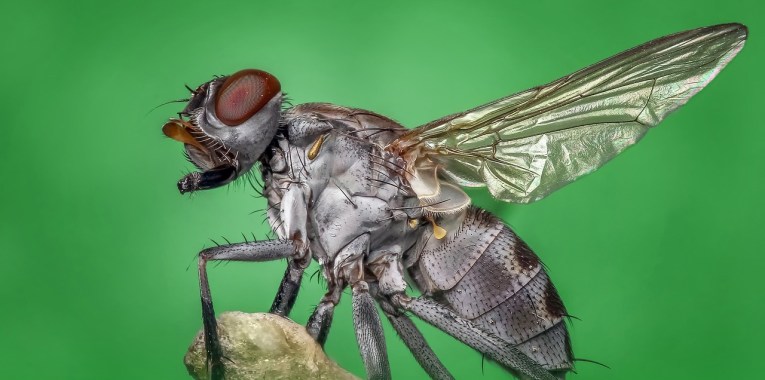
I hate flies. Are you with me in that? A few months ago, the doors of the building where my office is located were left open for an extended period of time and flies got in. Lots of flies. And they all seemed to wind up in my office. I systematically hunted them down and killed them one by one. I had to. I wasn’t going to be able to get any work done until I did. The next plague God sent against the Egyptians was the plague of flies. With this fourth plague, what has become the standard script changes just a bit. Let’s talk about what’s different here and how God demonstration of HIs power to Pharaoh is developing.

Read the rest…

Morning Musing: Exodus 8:16-19

“Then the Lord said to Moses, ‘Tell Aaron: Stretch out your staff and strike the dust of the land, and it will become gnats throughout the land of Egypt.’ And they did this. Aaron stretched out his hand with his staff, and when he struck the dust of the land, gnats were on people and animals. All the dust of the land became gnats throughout the land of Egypt. The magicians tried to produce gnats using their occult practices, but they could not. The gnats remained on people and animals. ‘This is the finger of God,’ the magicians said to Pharaoh. But Pharaoh’s heart was hard, and he would not listen to them, as the Lord had said.” (CSB – Read the chapter)

The town where I live has gnats. I know what you might be thinking: everywhere has gnats. That’s just life in a broken world. But you don’t understand. We have lots of gnats. And everyone who lives in the other little towns around us knows it. One of the things we are known for is how bad our gnats are. And trust me: they’re really bad. There are some days when you can hardly go outside without being completely engulfed by them. So, when I read about this third plague of gnats, I can’t help but think about how irritating trying to go to our local park is in the summer and how bad this must have been for the Egyptians. Let’s talk through some of the details here and the theme that is emerging as we go.

Read the rest…