
More Like Him

It is necessary and often good to talk about the challenges facing a marriage. Until we properly understand the nature of the problem, we don’t know what it is we are trying to solve. However, unless we have a positive vision and understanding of what marriage was designed for in the first place, we’re not going to be able to point things in a direction that can help prevent future challenges. Last time, as we started our new teaching series, The Journey of a Lifetime, looking at what the Scriptures have to say about marriage, we identified the problem: sin. This week we are going to look at what marriage was designed for in the beginning so that we can walk away from the problem in the right direction.

More Like Him

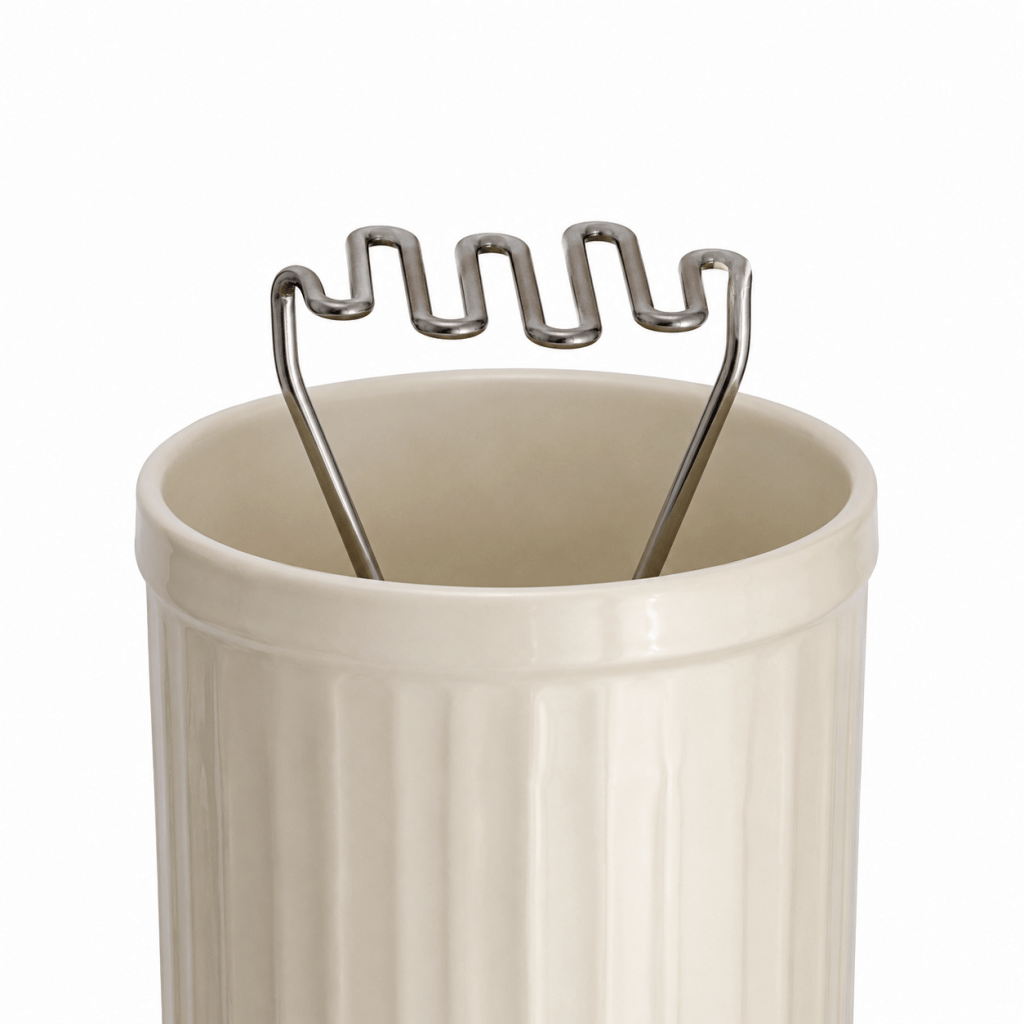
I’m going to show you an image of something, and I want to see if you know what it is? For some of you, this is probably going to be really easy, but a few of you might not have any idea. In fact, I’m going to show you a couple of different images for us to talk about. Let’s start with that first image. What is the thing sticking up out of the container here? Be honest with me now: How many of you knew this was a potato masher without being told or without cheating by reading the answer in your copy of my manuscript before the service even started? How many of you genuinely didn’t know what this thing was and wouldn’t have known without being told? Everyone else apparently is just confused. 
Read the rest…

A Higher Purpose

This week we continue our new series, I Do, by talking about what marriage is for. Knowing what marriage is (which we established a couple of weeks ago) is great, but knowing what God designed it to accomplish gives us a huge boost in terms of making sure we’re doing it right ourselves. Keep reading to learn the purpose of marriage and what you can do to see that realized in your own life.

A Higher Purpose

I have a little quiz for you this morning. I hope you studied. Some of you who were never very good test takers in school are already starting to get a bit nervous, aren’t you? There’s just one question to this test, though, so you can relax just a bit. Are you ready? What is this thing in my hand? No, that’s not a trick question. Yeah, it’s a hammer. Here’s a bonus question for extra credit: What is a hammer? (And no, saying it’s the thing in my hand is not the correct answer.) In answering that bonus question, you might be tempted to say something like, “A hammer is a tool used for driving nails into wood,” but that is not the correct answer. If you were thinking anything along those lines, no bonus points for you. “Wait a minute,” you might be wanting to protest, “That is what a hammer is!” No, that definition tells me what a hammer is for. I asked you simply what a hammer is. Two different things there. Now, had you stopped after the word “tool,” you would have been more correct, although not terribly specific. Had you wanted to be more specific, you could have said something like, “A hammer is a tool, often made of shaped steel, with a round, flat peen which is often set against a divided claw located at the end of a short shaft made of wood, steel, or some composite material and which serves as a handle.” That’s what a hammer is. See the difference? But, because our brains are wired for purpose and meaning, we often define things according to their intended purpose.

Read the rest…